
Environmental Community Newsletter - May 22 , 2026
From Compliance to Climate Action — Connecting People, Policy, and Planet

ECC-EIS in 8-9 months.

Environmental permitting timelines are rarely dictated by regulatory review alone. The bottleneck is almost always upstream — in the completeness of the EIS, the organization of supporting studies, and how early the proponent began coordinating with EMB and affected stakeholders.
Environmental Based on recent ECC-EIS applications assisted by Envi-Comm, structured preparation, proactive follow-up, and early multi-agency coordination consistently compressed approval timelines to the 8-9 months window — even for complex project types. As compliance requirements under the Philippines EIS System continue tightening, project readiness isn’t a competitive advantage. It’s the baseline.
The Next Big Environmental Conversation Is Happening Soon!
Are Your Teams Ready to Implement? DAO 2026-22 Just Changed the MMT Rulebook
Policy is only as useful as the team that can operationalize it. Envi-Comm is exploring a practical, limited-seat workshop on MMT formation — built for the people who actually have to make it work on the ground.
Following the release of DAO 2026-22, compliance teams are navigating expanded Multipartite Monitoring Team requirements with little operational guidance. This proposed June 2026 session is designed to close the gap.
Topics under consideration:
- Determining project coverage and MMT applicability thresholds
- Stakeholder coordination and MOA preparation protocols
- Environmental Monitoring Fund (EMF) planning and disbursement structures
- Implementation timelines and reportorial obligations under the new order
Designed for project proponents, Pollution Control Officer (PCOs), and environmental compliance teams. Seats will be limited!
Mycollex Holding Corporation
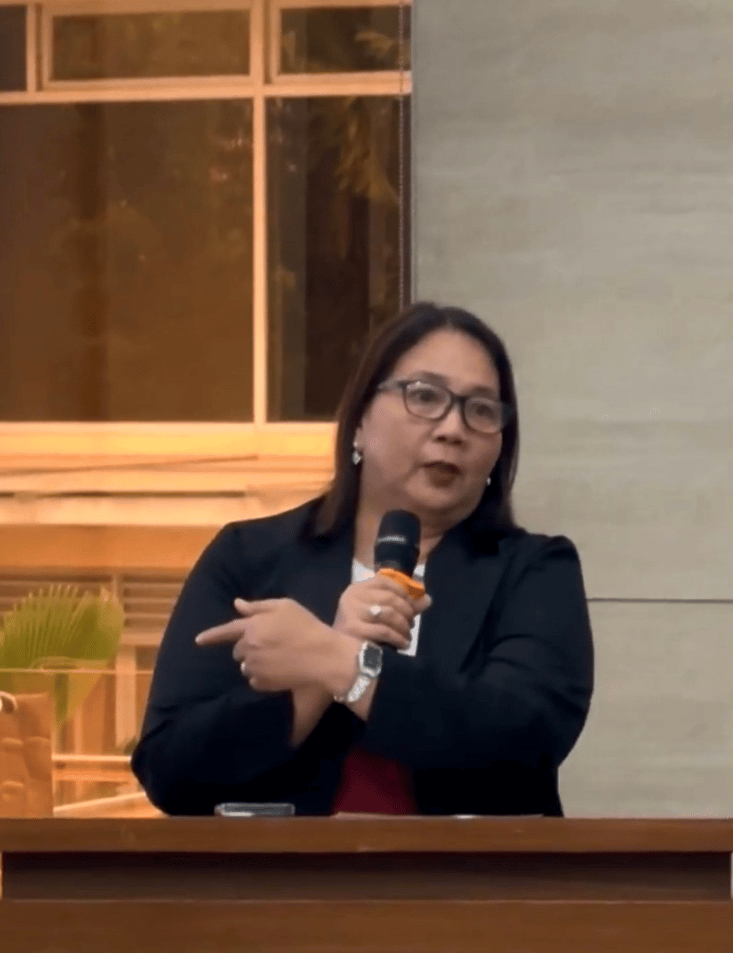
Building Communities the Right Way Requires the Right Partner.
Meet Grace Casinillo of Mycollex Holding Corporation — and hear it straight from the podium.
❝
Thankfully, Envi-Comm has been a great partner to us —their team helped guide us through the process, clarify the requirements, and ensure everything was properly addressed.
Your Hazardous Waste Problem Doesn’t Start at Disposal. It Starts at Generation.
Hazardous Waste Segregation Starts at the Source
Once hazardous and non-hazardous waste streams are co-mingled at the point of generation, every downstream process — handling, transport, storage, treatment, and disposal — becomes operationally complicated and cost-intensive. DENR DAO 2013-22 requires strict source segregation, proper labeling, and designated storage areas for hazardous wastes.
What proper segregation requires at the operational level:
- Clear labelling at every generation point, compliant with DENR manifest requirements
- Staff orientation on hazardous vs. non-hazardous waste classification
- Consistent internal SOPs for collection, temporary storage, and handoff to licensed TSDFs
Need guidance on hazardous waste compliance?
Free Resource
DAO 2026-22 Is Live.
Your MMT Quick Guide Is Ready
Don't let your team navigate expanded MMT requirements from scratch. We built the operational reference document so you don't have to.

This issue was originally sent to subscribers on Beehiiv .