
Environmental Community Newsletter - June 5, 2026
From Compliance to Climate Action — Connecting People, Policy, and Planet

DENR just made environmental violations a much bigger deal.
Here’s what you need to know.
A new DENR rule now treats environmental violations the same way as crimes.
Source · Manila Bulletin, May 15, 2026 · https://mb.com.ph/2026/05/15/denr-treats-environmental-crimes-as-national-security-concern-under-new-enforcement-standard
DENR released a new rulebook for its inspectors — called ELEMO (Environment and Natural Resources Law Enforcement Manual of Operations). Think of it as an upgrade: environmental violations used to be handled like permit issues. Now, they are treated same way as crimes that affect national security.
WHAT THIS MEANS FOR YOUR BUSINESS: When a DENR inspector visits your facility, they now follow a strict step-by-step process — the same kind used in law enforcement. That includes gathering evidence, making records, and building a case. Every visit is more formal, more documented, and carries more weight than before.
Under ELEMO, inspectors now follow a set process that covers:
- Planning the inpection before they arrive
- Observing and recording what they see on-site
- Collecting evidence and handling it properly
- Building a formal case if violations are found
This applies to pollution violations, illegal waste disposal, logging, and other environmental offenses. If your facility is not in order when they arrive, the consequences are now more serious — and harder to undo.
The Envi-Comm Forum is back — and this June, we’re looking at the bigger picture.
Midyear 2026. A lot has changed. Let’s talk about where we go from here.

The first half of 2026 has been a busy one for environmental compliance — new rules, stricter enforcement, and a growing push for businesses to step up. The Envi-Comm Forum’s June session is our midyear check-in.
We’ll bring together leaders from different industries for an open roundtable: what has changed in the first six months, what’s working, and what needs attention before the year ends.
This June, we’re also opening a small exhibition area for organizations and companies who want to connect with Forum attendees around sustainability, green solutions, and environmental services.
Date: Tuesday, June 23, 2026 — 2:00 PM (Registration at 1:00 PM) · Venue: Aboitiz Corporate Center, Gov. M. Cuenco Ave., Cebu City · · By invitation only.
LEYECO V — Leyte Electric Cooperative V
A small river in Bao. A plan to power a community. And a two-day workshop that brought it closer to reality.
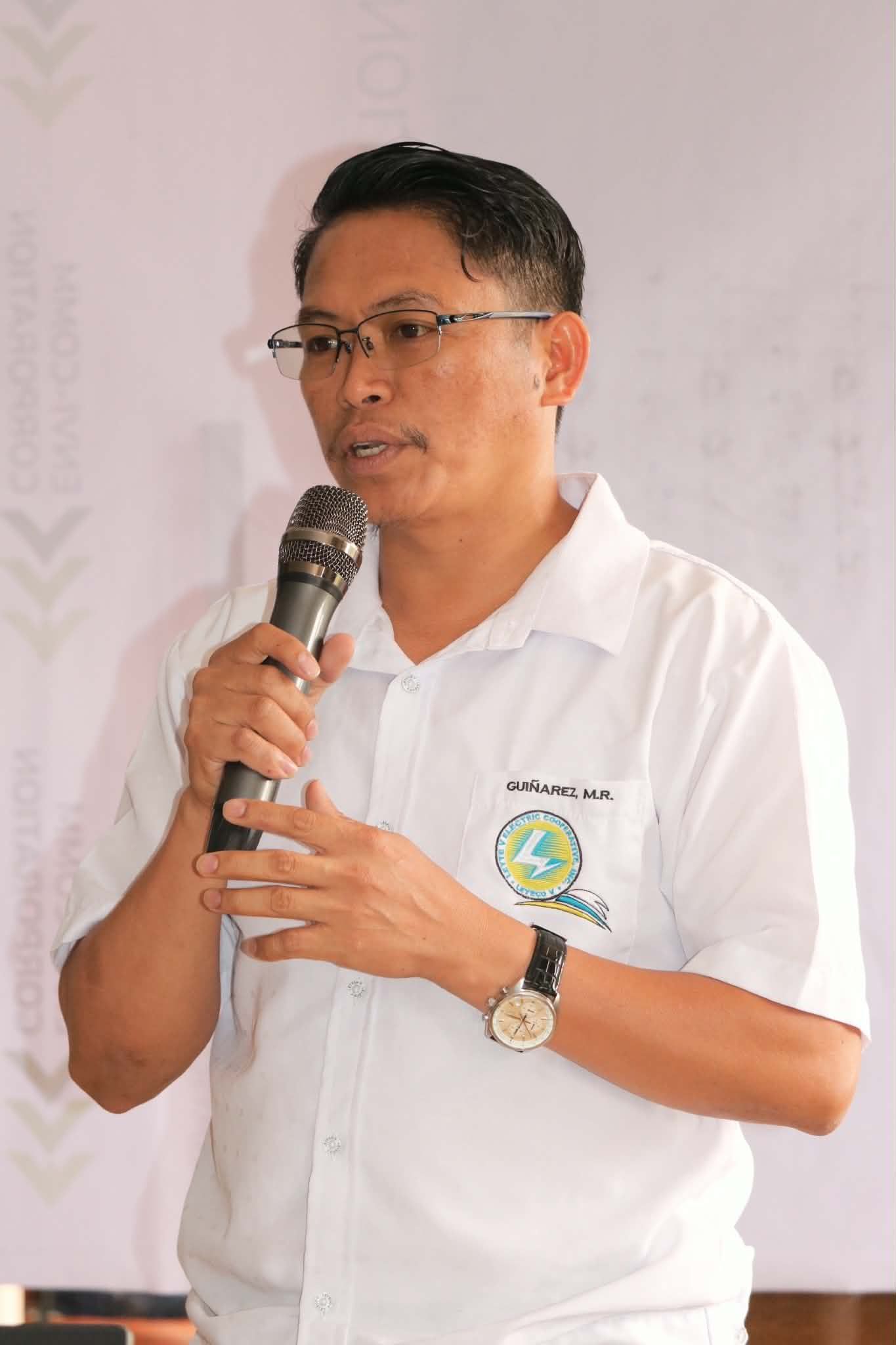
Engr. Michael Guiñarez · LEYECO V
"So, my takeaways of the process or the workshop, first is I know on what are those things that we need to consider in the preparation of this as far as the development of our project concerning the environment on site. I've learned a lot from the management side on how to prepare, what are those things that we should consider not only at the start of the project, but then also included how to sustain and how to maintain and how to develop the area where our project is located, and most especially on how we are going to maintain and preserve the environment as to the impact of the activity on site."
The 2MW Bao Mini Hydroelectric Powerplant Project is one of those projects that reminds you why environmental planning matters. A mini hydroelectric plant uses a natural flow of a river to generate electricity — without burning fuel, without releasing harmful gases, and without major changes to the river itself. · · Last June 3 and 4, the project team gathered for a focused two-day workshop on the Integrated Watershed Management Plan — a detailed plan that maps out how the land, water, and ecosystems around the powerplant site will be protected and managed throughout the life of the project. · · Getting this plan right from the start is one of the most important steps in responsible energy development. It means the communities and ecosystems near the site are considered — not as an afterthought, but as part of the design. · · The workshop is a step forward for clean, community-level energy in the Philippines.
A DENR inspector shows up at your facility today. What happens next?
Knowing what they look for is the best way to be ready when they arrive.
Under the new ELEMO rules, DENR inspections are more structured and more serious. But the things they check have not changed — and knowing what they are puts you in much better position. · · Here is what a typical inspection covers:
- Your permits and certificates — Is your ECC, PCO Accreditation, and Discharge Permit current and on-site?
- Your monitoring records — Are your Self-Monitoring Reports (SMRs) complete and up to date?
- Your waste area — Is hazardous waste properly labeled, stored separately, and handled by a licensed hauler?
- Your emission and discharge permits — Are your air and water outputs within the limits set in your ECC?
- Your on-site signage — Are required notices and labels visible and compliant?
The most common reason companies get a violation notice is not that they are doing something wrong — it is that their records are missing or outdated. Keep your documents organized and accessible at all times. That alone puts you ahead of most.
Free Resource
A one-page guide to what inspectors check — and what to prepare.

This issue was originally sent to subscribers on Beehiiv .