
Environmental Community Newsletter - July 10, 2026
From Compliance to Climate Action — Connecting People, Policy, and Planet

Mt. Kanlaon erupted yesterday morning. By midday, ash had reached Cebu. Here is what the air quality data actually shows — including a reading our team conducted this morning.
EMB-7 raised the alarm on July 9. Today, July 10, air quality has returned to Fair. Here is what happened — and what it means for businesses and facilities in Central Visayas.
Source · GMA Regional, July 10, 2026 · Inquirer Visayas / EMB-7, July 10, 2026 · SunStar Cebu, July 10, 2026
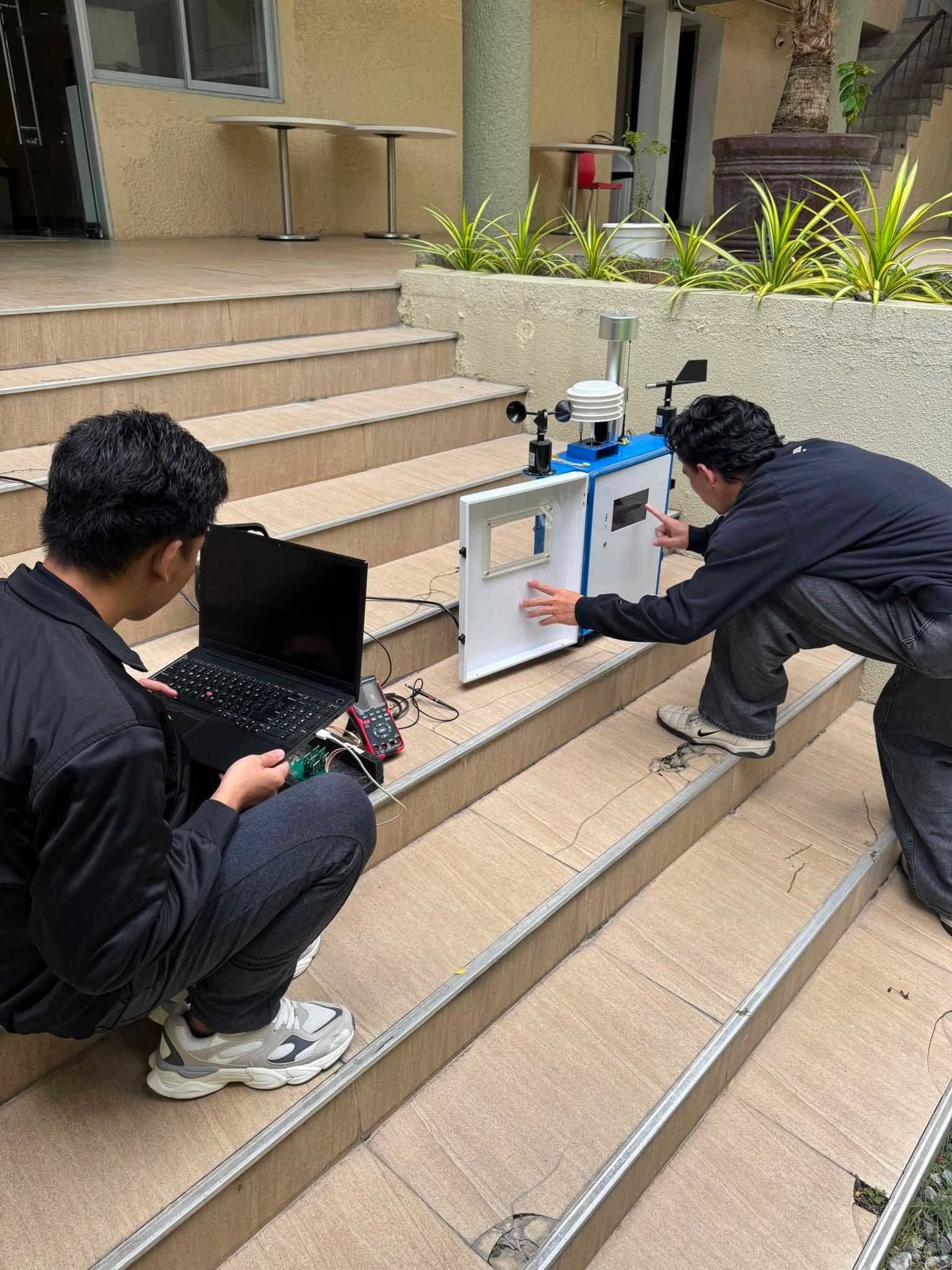
At 7:33 AM on Thursday, July 9, Kanlaon Volcano on Negros Island erupted with a moderately explosive eruption. The three-minute eruption sent a dark gray ash plume 2 to 3 kilometers into the sky. Within two hours, the ash had reached Cebu — carried by the southwest monsoon, enhanced by the winds of Typhoon Inday.
Ashfall was reported in Balamban, Toledo City, Pinamungajan, Talisay City, Cebu City, and surrounding areas. At least 22 local government units suspended classes. Fourteen flights at Mactan-Cebu International Airport were cancelled. The Environmental Management Bureau in Region 7 (EMB-7) confirmed the volcanic origin of the ash and warned that particulate matter — specifically fine PM10 particles measuring 10 microns and below — had increased in the atmosphere. While air quality remained within guideline values as of July 9 noon, EMB-7 cautioned that continued eruptions and the same wind pattern could bring more ashfall to Cebu. · · What should businesses and facilities do after an ashfall event?
- Do not hose down ash. Washing ash into drains can clog drainage systems. Sweep and bag ash for proper disposal.
- Check your water supply. Ash contains sulfur and other minerals that can contaminate open water sources. Do not drink groundwater or water exposed to ashfall without testing.
- Wear an N95 or KN95 mask if going outdoors while ash is still in the air. Fine volcanic particles can irritate the respiratory system.
- Document the event for your environmental compliance records. If your facility experienced ashfall, log it. DENR may require facilities with air quality monitoring conditions to report significant events.
Kanlaon remains on Alert Level 2. EMB-7 and PAGASA continue to monitor air quality and wind patterns. The situation may change if the volcano erupts again.
The Difficulty of EMB Compliance for Small Medical Facilities
The next Envi-Comm Forum is built for birthing centers, lying-in clinics, and small healthcare facilities navigating DENR and DOH requirements. Monday, July 27.
Environmental compliance is not straightforward for small healthcare facilities. The rules that apply to a hospital also apply to a birthing center — but the resources, staff, and institutional support are not the same. Most small clinic owners are managing permits, waste disposal, and regulatory requirements alongside running a practice, without dedicated compliance staff.
The July 27 Envi-Comm Forum is a working session specifically for this sector: what environmental permits a small healthcare facility actually needs, where most compliance gaps occur, what proper waste management looks like at a small-facility scale, and what happens when DENR or DOH visits.
Date: Monday, July 27, 2026 · Time: 2:00 PM – 5:00 PM (Registration from 1:00 PM) · Venue: AVR, Aboitiz Corporate Center, Cebu City · Format: Invite-only · Panel + Open Roundtable · Contact: sales@envicomm.org | +63 954 291 5171
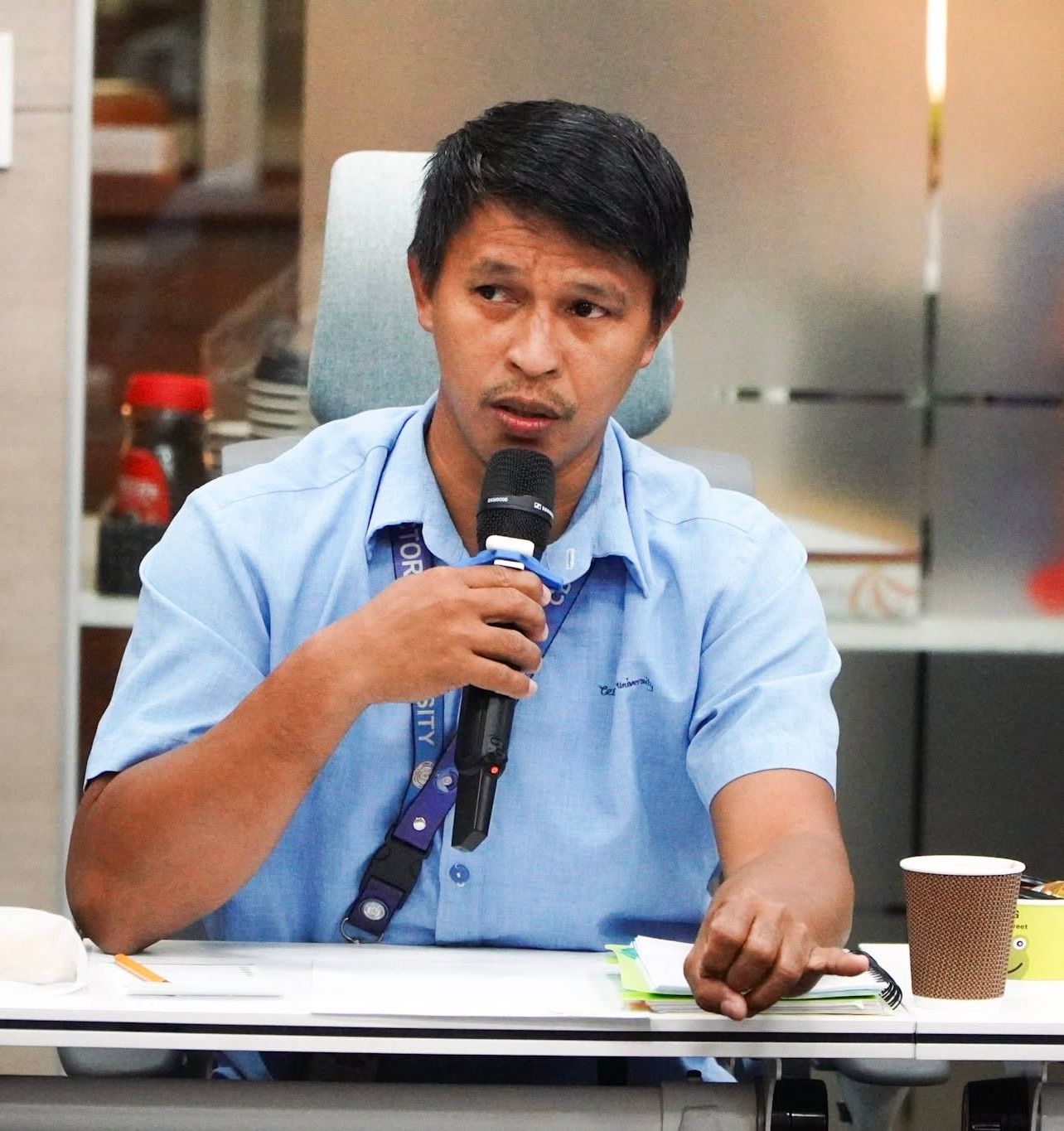
John Mark Edayan manages the environmental compliance of one of Cebu’s largest universities. At the Forum last June, he talked about what that actually takes.
❝
Envi-Comm is our partner on our accreditation, they work on the ECC amendment on our new buildings. Envi-Comm is so very nice, they’re also cooperative. Every now and then, if I call, contact them, they answer it always. Any problem that requires attention, they respond immediately.
John Mark M. Edayan holds a dual responsibility at Cebu Doctor’s University: Head of General Services and Pollution Control Officer. That means he is simultaneously responsible for keeping the university’s facilities running and ensuring its operations stay compliant with Philippine environmental regulations — the permits, the monitoring, the reporting, and everything in between.
A university like Cebu Doctor’s University is a complex compliance environment: healthcare facilities, laboratories, research areas, food services, and general campus operations all generating different types of waste and requiring different regulatory approaches. Getting it right requires someone who understands both the operational and the regulatory side.
At the EnviComm Forum last June 29, John Mark sat in a room of business owners and compliance officers for a frank conversation about what environmental compliance looks like in practice — not on paper, but in the day-to-day reality of running a large institution. · · The people who manage environmental compliance at healthcare and educational institutions are doing some of the most complex regulatory work in the sector. Their experience is exactly what the community needs to hear more of.
Is your birthing center or clinic fully compliant? Most owners are not sure which permits they need — or what to do with the waste after a delivery.
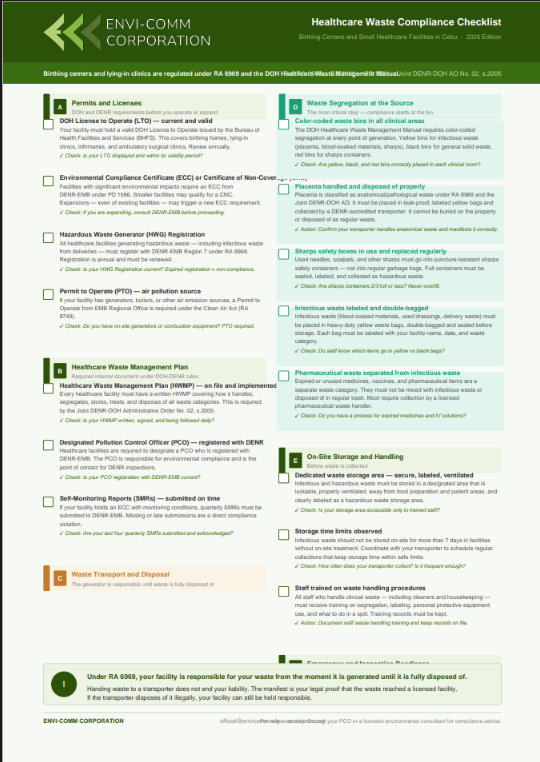
A plain-language guide to the two things every small healthcare facility must get right: the paperwork and the waste.
Birthing centers, lying-in clinics, and small healthcare facilities are subject to the same environmental laws as large hospitals — but most owners are not fully aware of what those laws require. Here is where to start.
On the permits side, you need: · • DOH License to Operate (LTO) from the Bureau of Health Facilities and Services — valid and displayed. · • Environmental Compliance Certificate (ECC) or Certificate of Non-Coverage (CNC) from DENR-EMB. Even existing facilities may need an updated ECC if they are expanding. · • Hazardous Waste Generator (HWG) Registration from EMB Region 7. This is required for any facility that generates infectious waste — including placentas, blood-soaked materials, and used sharps. · • Designated Pollution Control Officer (PCO) registered with DENR-EMB.
On the waste side, the most common violations are: · • No color-coded bins in clinical areas. Yellow for infectious waste, black for general waste, red for sharps. · • Placenta disposal not documented. Placenta is classified as anatomical waste under RA 6969. It must be collected by a licensed transporter with a manifest — not buried or thrown in regular trash. · • No signed manifests for hazardous waste pickups. Your facility is legally responsible for the waste until it reaches a licensed treatment facility.
We put together a complete checklist covering both permits and waste handling for birthing centers and small healthcare facilities — download it below.
Free Resource
This issue was originally sent to subscribers on Beehiiv .