
Earth Overshoot Day: The Good, the Bad, and the Ugly Truth
Earth Overshoot Day, Local Action, and Environmental Compliance
The average Filipino uses fewer resources than the global capacity baseline, but is it enough to #MoveTheDate?
Imagine this: you get a year's supply of all the resources you would ever need. It's not generous, but you are not lacking either.
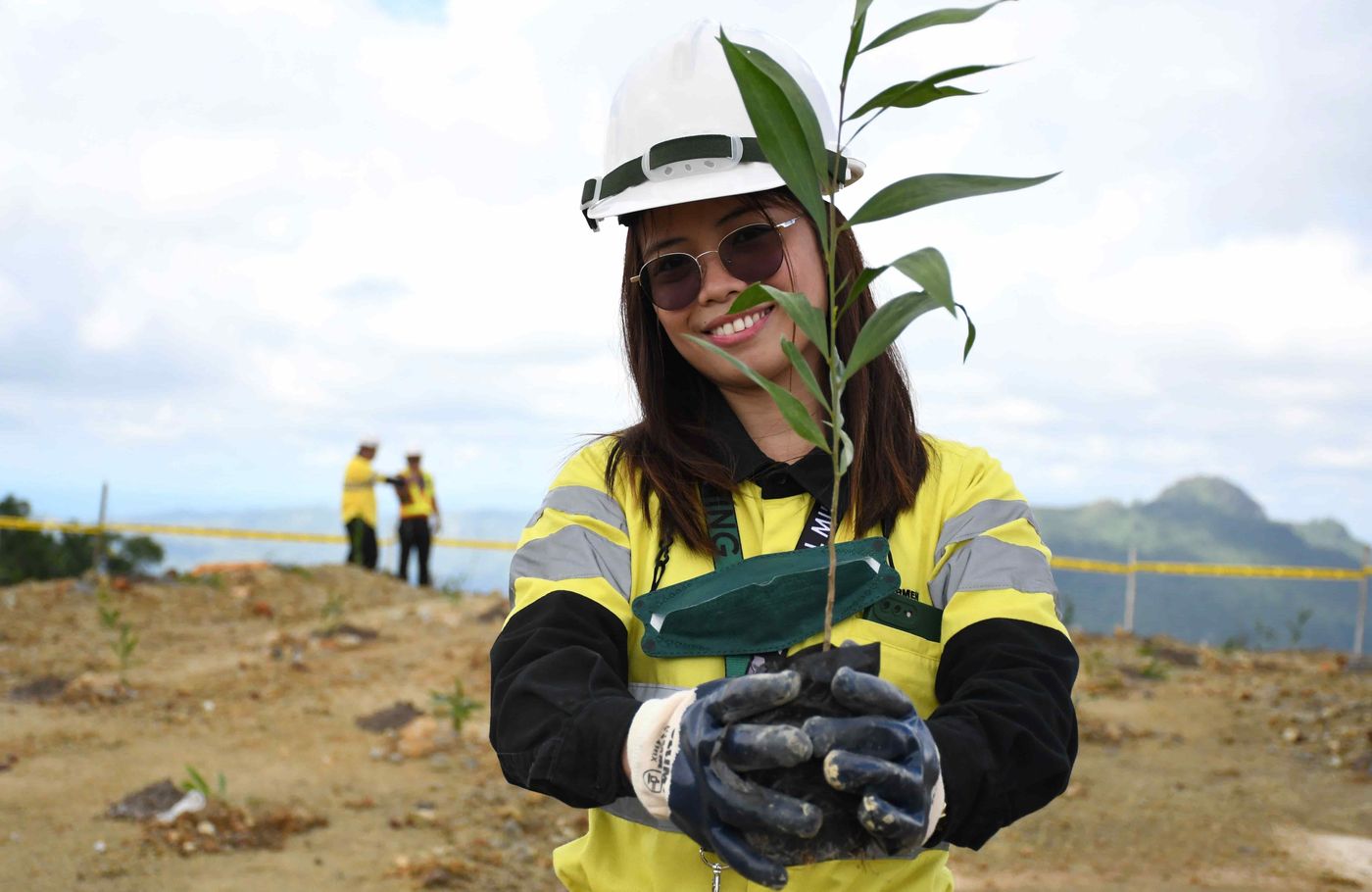
So, you spend it all and have your day in the sun. The only issue is that, halfway through, you suddenly get a notice: you have overused your resources and are now running on backup power. Another update: your backup power is almost up.
This is essentially what Earth Overshoot Day represents, and it is a date that has been slowly creeping closer and closer.
What is Earth Overshoot Day?
Earth Overshoot Day marks the date when humanity's demand for ecological resources and services exceeds what Earth's ecosystems can regenerate during that year.
This year, it falls on July 30, 2026. That is six days later than last year, but it is still not enough.
This is why the #MoveTheDate campaign exists. It is a global movement that aims to push Earth Overshoot Day later, toward a time when humanity consumes only within Earth's regenerative capacity.
The goal is not only to give the planet more time to recover, but also to reduce the resource-related pressures and insecurities that countries around the world experience.
The Good: The Philippines Is Below the Global Biocapacity Baseline
The only good thing to come out of this is that the average Filipino's resource consumption is below the global biocapacity baseline.
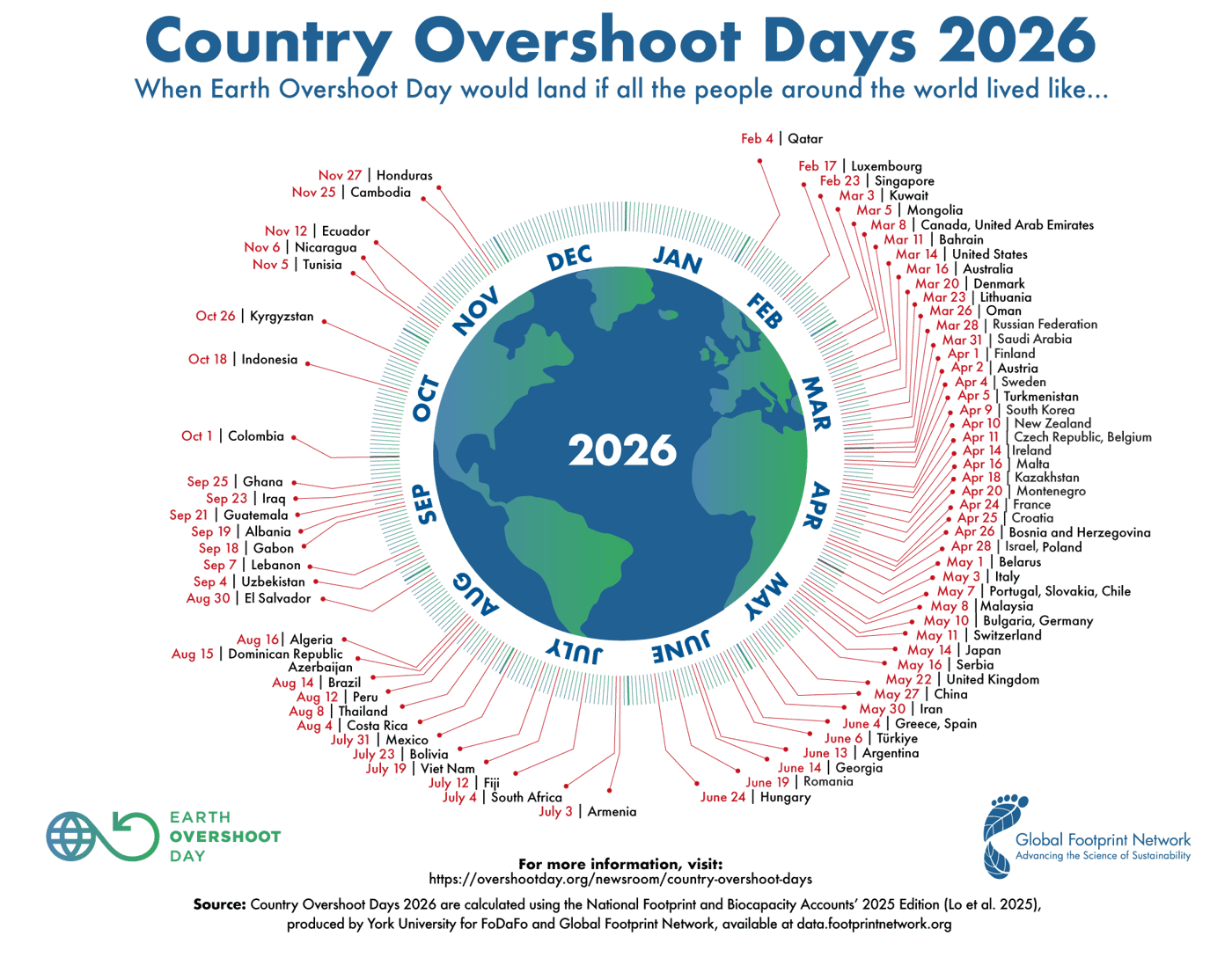
This is why, based on the graph above, the Philippines does not have a Country Overshoot Day.
If everyone in the world consumed resources at the same level as the average Filipino, humanity would use up about 94% of Earth's yearly renewable resource budget within a single calendar year.
That being said, it does not mean that the Philippines is immune to the effects of global overshoot. It simply means that our average level of resource consumption is relatively lower on a global scale.
There is room to build on what we are already doing right.
The Bad: July 30 Is Still Far Too Early
Last year, Earth Overshoot Day fell on July 24, 2025. This year, it falls on July 30, 2026. While the later date is a positive sign, humanity is still using ecological resources faster than the planet can regenerate them.
Moving the date by six days is progress, but we can still do better.
The Ugly Truth: No Country Can Solve This Alone
Earth Overshoot Day is a global problem. Just because our country has a relatively small impact on global data does not mean we are immune to its effects.
Moving the date significantly will require governments to work together, businesses to improve their production and operating practices, and communities to adopt more sustainable practices that allow the Earth to recover.
Ultimately, we need to create an environment where future generations can meet their needs without exhausting the resources they depend on.
After all, it's not the responsibility of one country, one industry, or one person. To #MoveTheDate, we need a collective effort from governments, businesses, communities, and individuals.
Community Spotlight
How Envi-Comm's Compliance, Monitoring, and Reporting Team (CMRT) Supports Environmental Protection Beyond Compliance
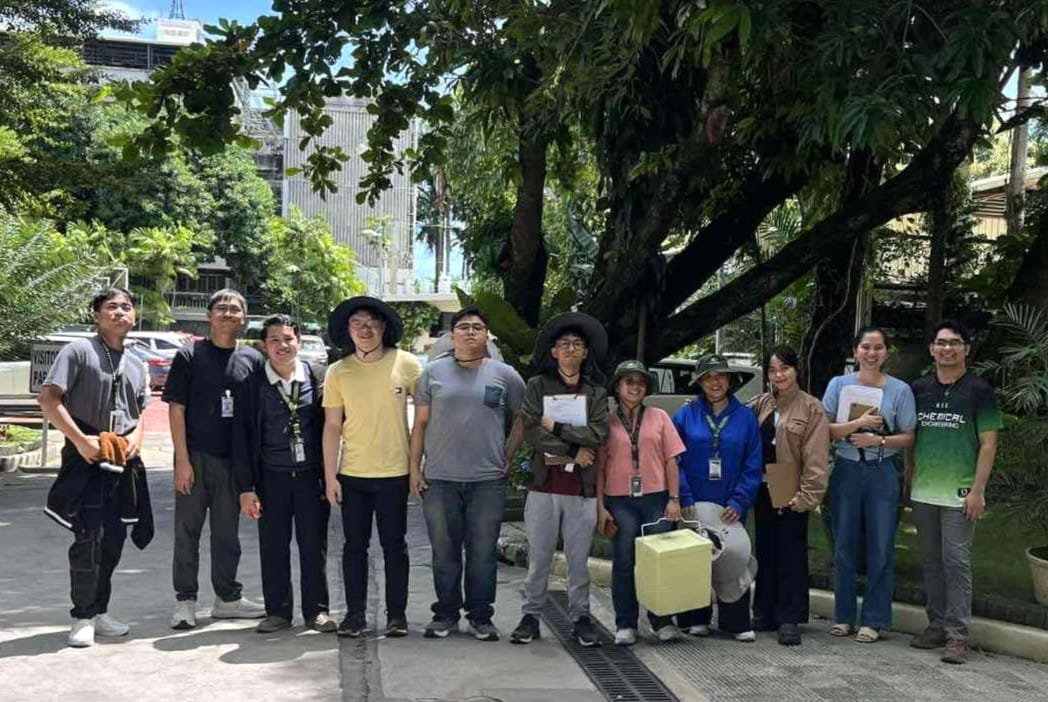
Environmental compliance is often associated with permits, inspections, and paperwork. But for Envi-Comm's Compliance, Monitoring, and Reporting Team (CMRT), it's about much more than meeting regulatory requirements.
Every permit renewed, report submitted, and inspection completed helps businesses operate responsibly while protecting the environment.
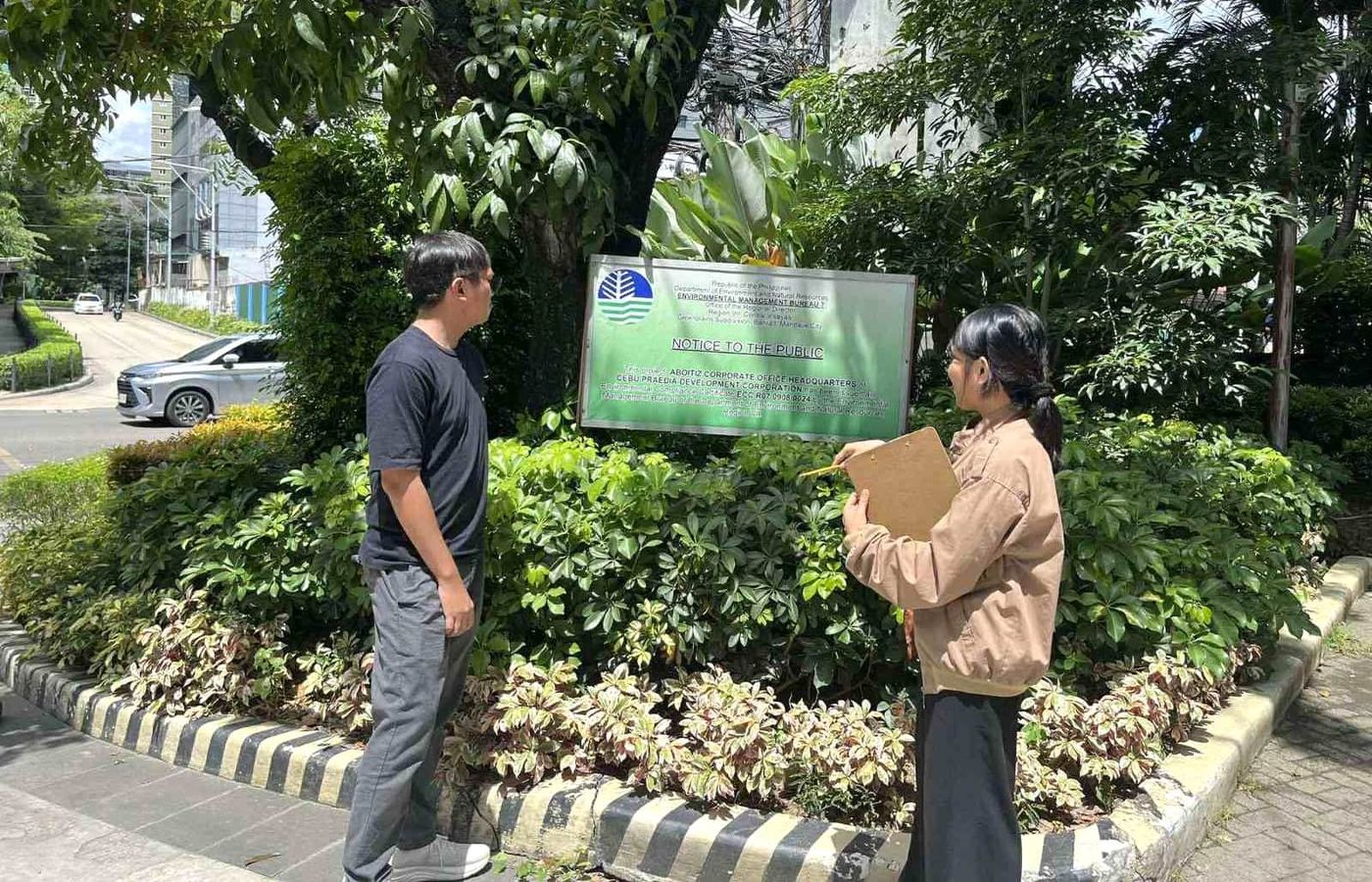
According to them, environmental compliance creates the necessary boundaries that prevent pollution, promote the responsible use of natural resources, and ensure these resources remain available for future generations.
“We believe that environmental responsibility shouldn't stop at compliance.”
Envi-Comm CMRT
Their work helps businesses stay on top of permit conditions and reporting deadlines, preventing compliance issues before they become costly problems.
How do these businesses contribute back to the environment beyond compliance?
Businesses can give back by supporting initiatives such as tree-planting activities, coastal cleanups, and environmental awareness campaigns.
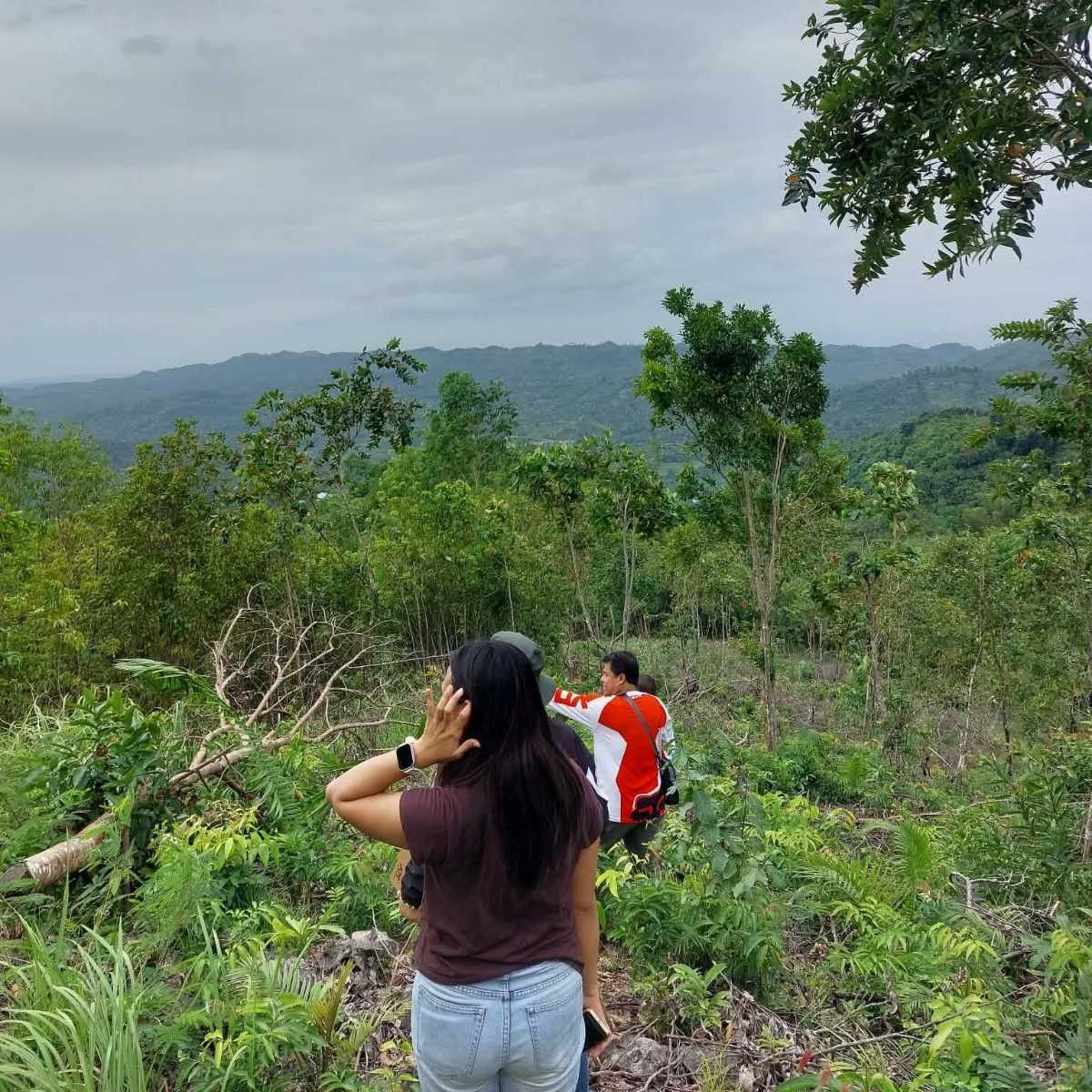
When asked about Earth Overshoot Day, the team described it as a reminder that we are consuming resources faster than the planet can recover.
For the CMRT, the news about the Philippines consuming below the global biocapacity baseline is news worth celebrating.
It reinforced the importance of the work they do every day: helping businesses reduce pollution, conserve resources, and protect the environment through responsible compliance.
Green Solutions
Renewable Energy Technology Isn't Just a Gimmick. Here's How It Works
Renewable energy is often presented as one of the answers to climate change and resource overuse.
But beyond being an environmental alternative, it also represents an opportunity for countries like the Philippines to make better use of the natural resources already available to us.
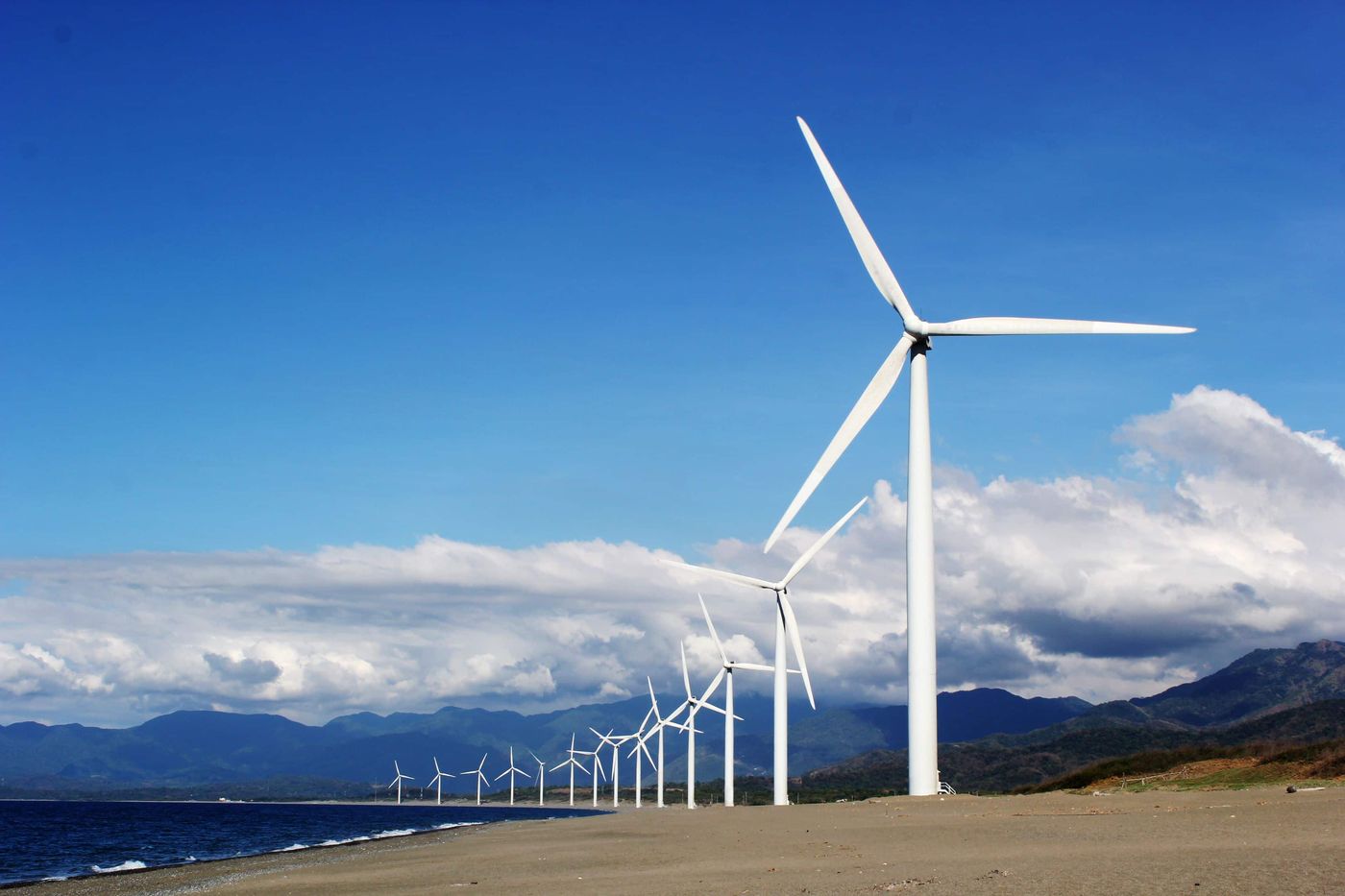
Energy Tracker Asia highlighted the Philippines as a leader in renewable energy, with more than 47% of its electricity coming from renewable and low-carbon sources. The country also has significant untapped renewable energy potential, from solar and wind to geothermal and hydropower.
But with how quickly humanity is consuming the planet's resources, can renewable energy actually make a difference?
The short answer is yes.
Harnessing renewable energy can reduce our dependence on finite fossil fuels and, when properly planned and implemented, lower greenhouse gas emissions.
However, making the transition is not as simple as installing new technology. With projects like these, it is also important to consider their environmental impacts, regulatory requirements, permits, and compliance.
The Role of Envi-Comm
Starting a business or developing a new project comes with many requirements. Ensuring environmental compliance while minimizing its impact adds another layer of responsibility.
This is where environmental consulting can help.
Envi-Comm helps businesses and organizations navigate environmental requirements, from compliance and permitting to environmental assessments and monitoring, so that they can make informed decisions about their environmental impact.
Upcoming event!
Envi-Comm Forum: ESG Compliance for Real Estate and Property Developers in Cebu
Date: August 28, 2026
Who should attend?
Property developers, project owners, project managers, architects, homeowners' associations, and anyone involved in real estate development in Cebu.
Whether you're just starting to learn about ESG or looking for practical guidance on compliance, this forum is designed to help you understand what matters and what to do next.
Help shape the conversation
What ESG or environmental compliance questions do you have? Share them with us by answering this quick survey.
Key Takeaway
Every Day Is an Opportunity to #MoveTheDate
Renewable energy isn't a gimmick. It represents a real shift in how we produce and consume energy, and an opportunity to make better use of the resources available to us.
But technology alone isn't enough. It must be paired with responsible environmental practices, strong compliance, and a shared commitment from businesses, communities, and individuals.
Whether it's investing in cleaner energy, keeping businesses accountable, or simply practicing proper waste segregation at home, every action helps move us toward a more sustainable future.
Because every day is an opportunity to #MoveTheDate.
Source
This issue was originally sent to subscribers on Beehiiv .