
Cebu Mayor's AI Vision Faces Pushback Over Jobs, Resources
“AI Is Here to Stay.” But it seems like not everyone agrees with Mayor Nestor's sentiments.

The Aftermath of an AI Future Isn't as Bright as It Seems, According to Several Cebuanos

Just last week, Cebu Mayor Nestor Archival came under fire for expressing his vision for Cebu to become an AI innovation hub.
This comes amid discussions surrounding the Bases Conversion and Development Authority's (BCDA) plans to establish a semiconductor and advanced technology hub in New Clark City as part of the Pax Silica initiative.
“AI is here to stay.”
Cebu Mayor Nestor Archival
He also highlighted the importance of the public and private sectors becoming AI-literate and considering upskilling to stay globally competitive.
According to the mayor, he is already in talks with DOST Region 7 about a memorandum of agreement.
But not everyone agrees with his sentiments.
The Alliance of Concerned Teachers Cebu and the BPO Industry Employees Network-Cebu expressed strong disapproval of his views.
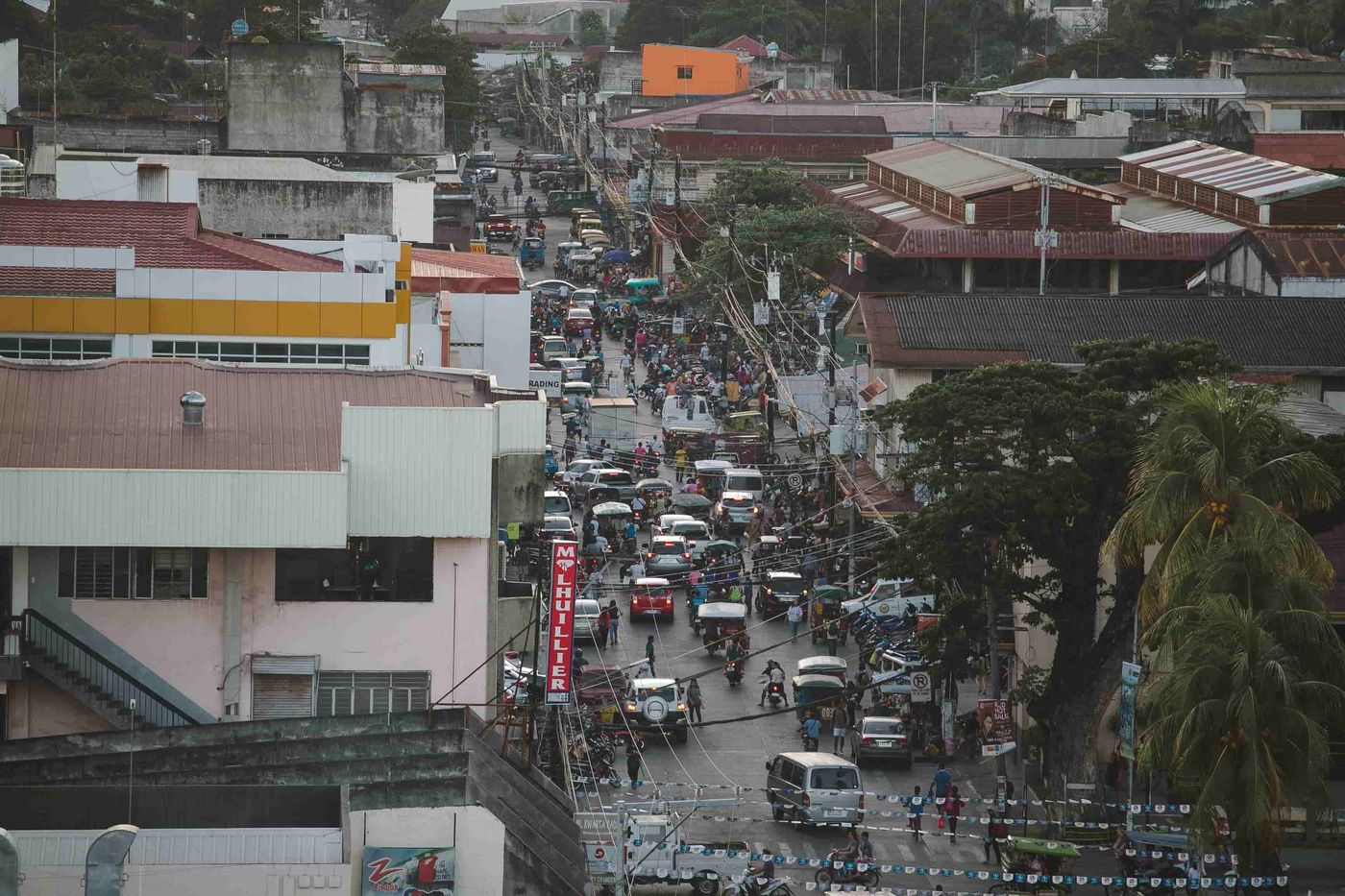
ACT Cebu raised concerns that AI development could increase electricity and water consumption. They also criticized the mayor's statement that AI is inevitable, arguing that its potential effects on workers and communities should also be considered.
Meanwhile, the BPO Industry Employees Network-Cebu raised concerns about automation potentially reducing companies' need for human workers, which could further affect the job market and employment opportunities.
“Artificial intelligence itself is not the problem. The problem is how it is being used. Today, AI is increasingly being utilized by the IT-BPM industry to automate work and reduce jobs.”
Kyle Enero, BIEN Cebu President
Councilor Joel Garganera also stated that the city must first address flooding and solid waste management before pursuing projects that require significant power, water, and waste-disposal capacity.
What is the Pax Silica Initiative?
The Pax Silica Initiative is set to establish a semiconductor and advanced technology industrial hub in New Clark City. The site is estimated to cover around 1,620 hectares.
The Philippine government has presented the project as a manufacturing-driven industrial ecosystem that could support semiconductors, advanced manufacturing, critical minerals, and other technologies linked to the global AI supply chain.

However, the project has also drawn criticism from environmental groups, farmers' groups, and Indigenous Peoples' organizations over concerns about its potential environmental and social impacts.
One of the major concerns involves the potential displacement of Aetas and farmers in the project area. Environmental groups have raised claims that around 20,000 people could be affected.
However, the BCDA disputes this figure and says the project will not displace farmers or Indigenous Peoples because the site is already within a designated buildable area.
Polls & Surveys
Envi-Comm August Forum: ESG on Real Estate
Are you a property developer, project owner, project manager, architect, or part of a homeowners' association? Join us for a practical discussion on Environmental, Social, and Governance (ESG) compliance and what it means for real estate and property development in Cebu.

What to expect:
- Informal discussion
- Resource speakers
- Snacks and networking
We'll discuss the environmental and compliance issues developers need to consider, from DENR-EMB requirements and environmental permitting to waste management and broader ESG practices.
Interested in joining the conversation? Indicate your interest by answering the survey and secure an invitation to our August 28 forum.
Compliance Watch
Publicly Listed Companies (PLCs) Are Already on the Clock for SEC's PFRS S1 and S2 Disclosures
Publicly Listed Companies (PLCs) and Large Non-Listed Entities (LNLs) are already preparing for the SEC's mandatory PFRS S1 and S2 climate-related disclosures.

Climate disclosures require companies to report how climate-related risks and greenhouse gas emissions could affect their business. | Photo by Kindel Media
SEC Memorandum Circular No. 16, Series of 2025 sets the guidelines for sustainability reporting by PLCs and LNLs, adopting the Philippine Financial Reporting Standards (PFRS) on Sustainability Disclosures.
What Are Philippine Financial Reporting Standards S1 and S2?
PFRS S1 covers general sustainability reporting. Companies need to explain how sustainability issues could affect their business, including the risks they face and how they plan to manage them.
PFRS S2 focuses specifically on climate change. Companies need to report how climate-related risks could affect their business and disclose their greenhouse gas (GHG) emissions.
These emissions are divided into three scopes:
Scope 1
Direct emissions from sources a company owns or controls, such as company vehicles, generators, and factory operations.
Scope 2
Indirect emissions from the electricity a company purchases and uses in its offices, facilities, and other operations.
Scope 3
Other indirect emissions across the company's value chain: emissions from suppliers, transportation, and product use.
Scope 3 can be harder to measure because the data often comes from outside the company.
The Timeline Is Tiered — Know Which Bucket You're In
Adoption starts in fiscal year 2026, but the reporting deadline depends on market capitalization:
- Tier 1 — PLCs with market capitalization above ₱50 billion as of December 31, 2025: fiscal year 2026 is your first reporting year, with submission due in 2027.
- Tier 2 — PLCs with market capitalization between ₱3 billion and ₱50 billion: the standard applies to fiscal years beginning on or after January 1, 2027, with submission due in 2028.
If you're Tier 1, your reporting year has already started. Preparing your data now isn't “too early” — it's on schedule.
Preparing these disclosures helps companies better understand their environmental impact, manage climate-related risks, and build investor confidence as markets place greater weight on sustainability performance.
Don't wait for your submission deadline to find out which tier you're in. Start preparing your data today.
Source
- BIEN-Cebu warns AI investments could worsen job insecurity
- Mayor Archival defends AI push; Garganera urges focus on floods, waste
- Pax Silica sparks debate on AI effects in Cebu City
- Guide to Sustainability Reporting in the Philippines: PFRS S1 and S2 Requirements and Timeline
- Environmental data and facts in the semiconductor manufacturing industry: An unexpected high water and energy consumption situation
This issue was originally sent to subscribers on Beehiiv .